What Is Proprioception? (And Why It Matters in Kids Yoga)
Proprioception is often described as our “sixth sense.” It is the body’s ability to know where it is in space without needing to look. Special sensory receptors in our muscles and joints send information to the brain about movement, position, and how much force we are using. This system allows a child to climb stairs without watching their feet, sit upright at a desk, or catch a ball without consciously calculating every movement.
For children, proprioception plays a foundational role in development. It supports body awareness, balance, coordination, posture, and motor planning (the ability to figure out how to move through a task). When this system is working well, movements appear smooth and controlled. When a child needs more proprioceptive input, you might notice them crashing into furniture, jumping frequently, leaning heavily on others, or constantly seeking tight hugs. This isn’t “bad behaviour”, it can simply be their nervous system asking for more feedback from their muscles and joints.
Research in sensory integration and child development shows that proprioceptive input can have an organizing and regulating effect on the nervous system. Activities that involve pushing, pulling, squeezing, climbing, or weight-bearing often help children feel calmer and more focused.
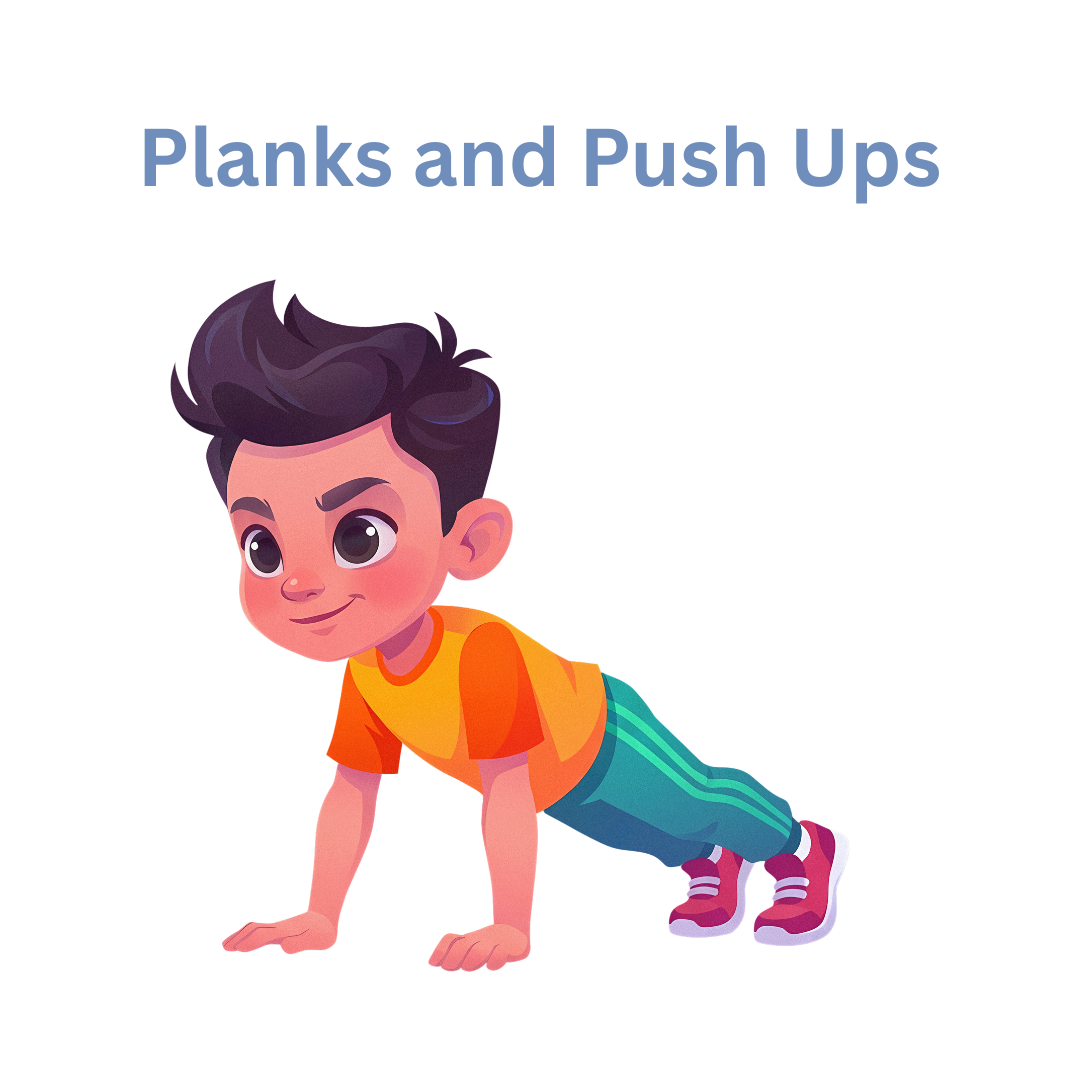
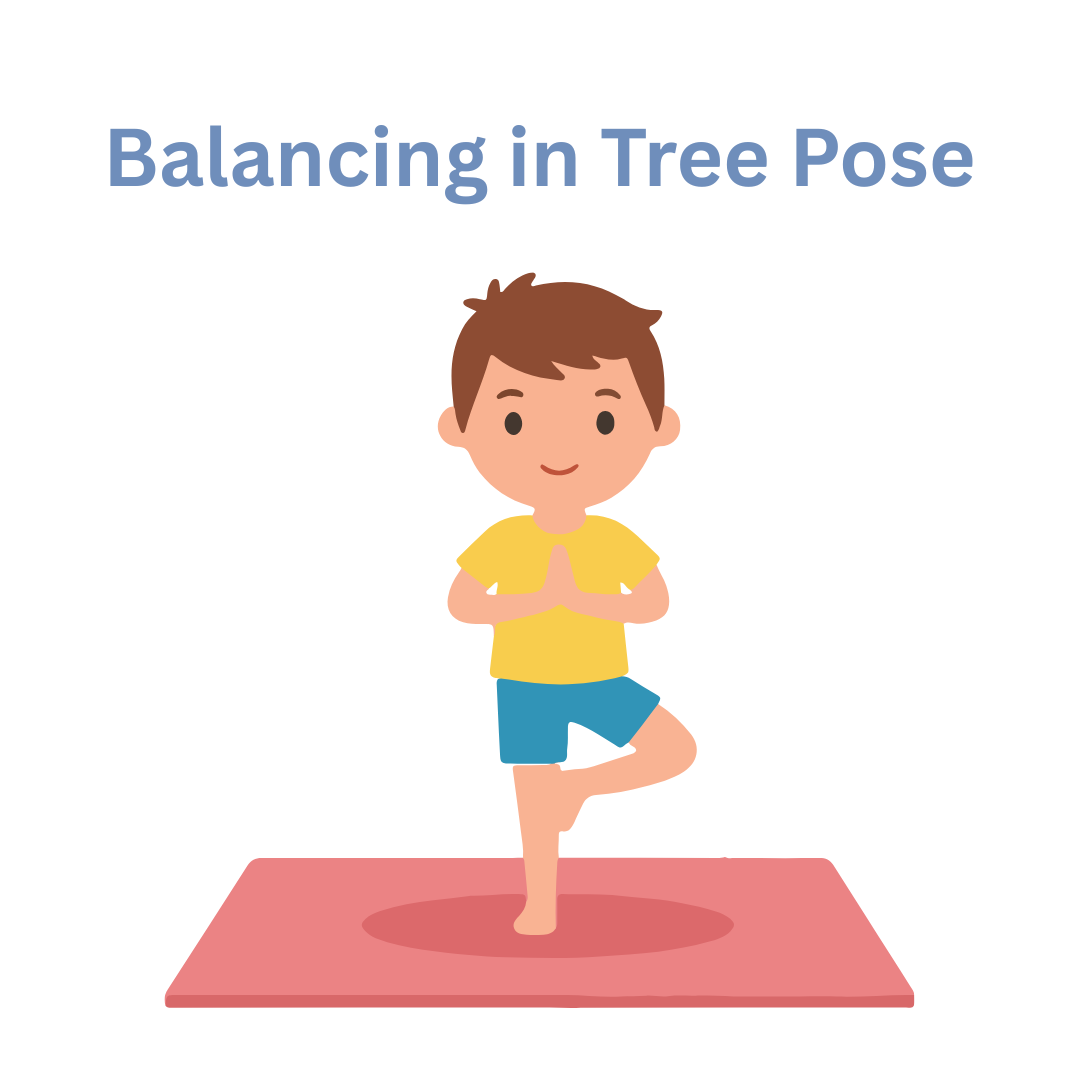
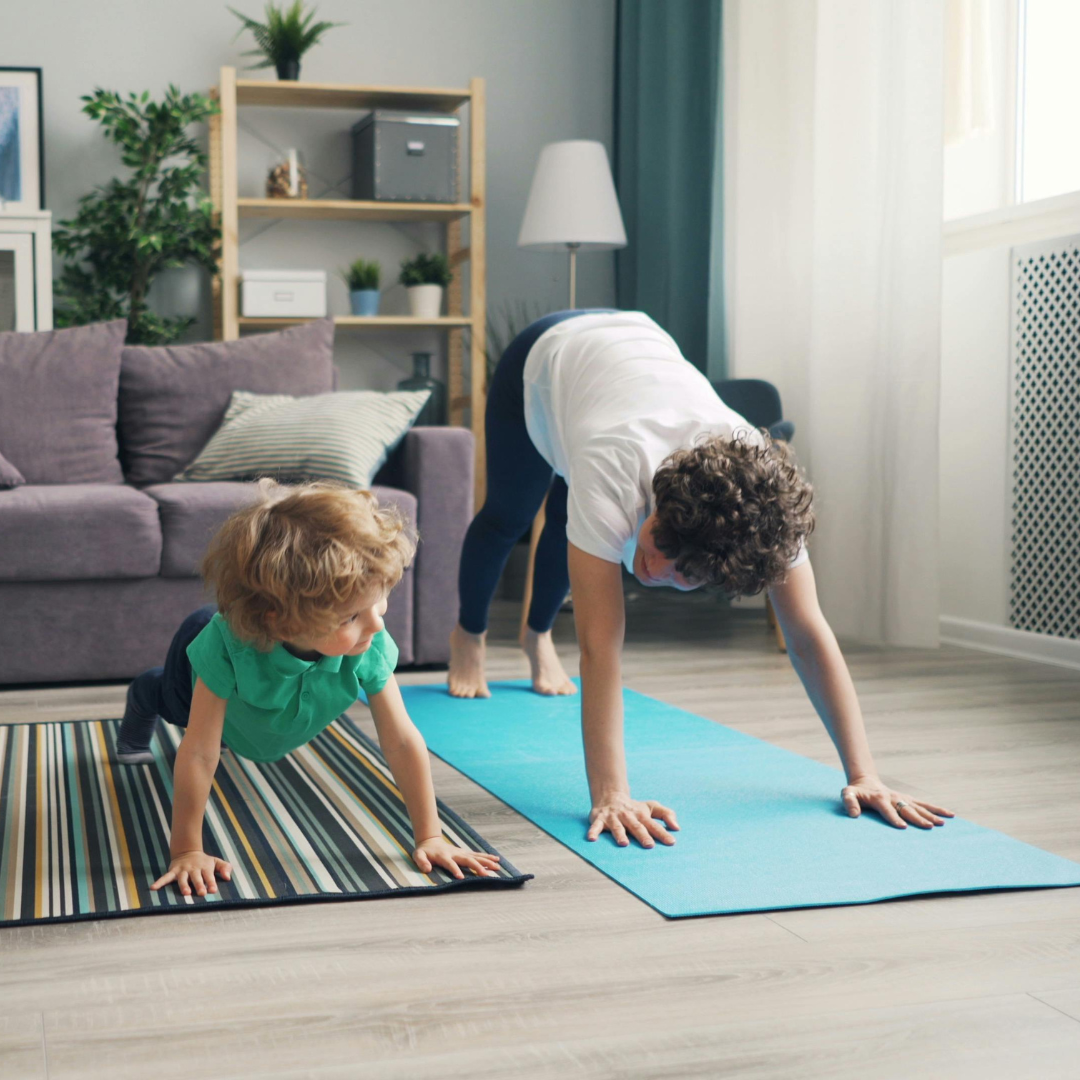
Kids yoga provides a beautiful and intentional way to nurture proprioception. When children press firmly into the mat in Downward Dog, hold steady in Tree Pose, or slowly lower from Plank to their belly, their muscles and joints are sending rich feedback to the brain. The steady resistance of holding a pose, the controlled transitions between shapes, and the awareness of breath all deepen body awareness. Yoga adds mindfulness and intentional engagement, which strengthens the connection between body and brain
In our kids yoga classes, strength-building poses, grounding sequences, animal walks, and gentle squeezes are woven in thoughtfully. These experiences are not only building muscles; they are strengthening a child’s sense of where they are in their body. When children feel secure and connected physically, they often feel more confident and regulated emotionally as well.
Proprioception may sound like a complex scientific term, but at its heart, it is about helping children feel at home in their own bodies. And when a child feels at home in their body, they move through the world with greater ease, confidence, and calm.
Poses for our Proprioceptive System